Period underwear manufacturing: layers, certificates and what to specify
Period underwear is built from four layers: a top layer, an absorbent layer, a membrane and the main body fabric. How the layers work at HC Organize Tekstil, OEKO-TEX Standard 100 Class I coverage, styles and fabrics, sampling, and what to include in your enquiry.
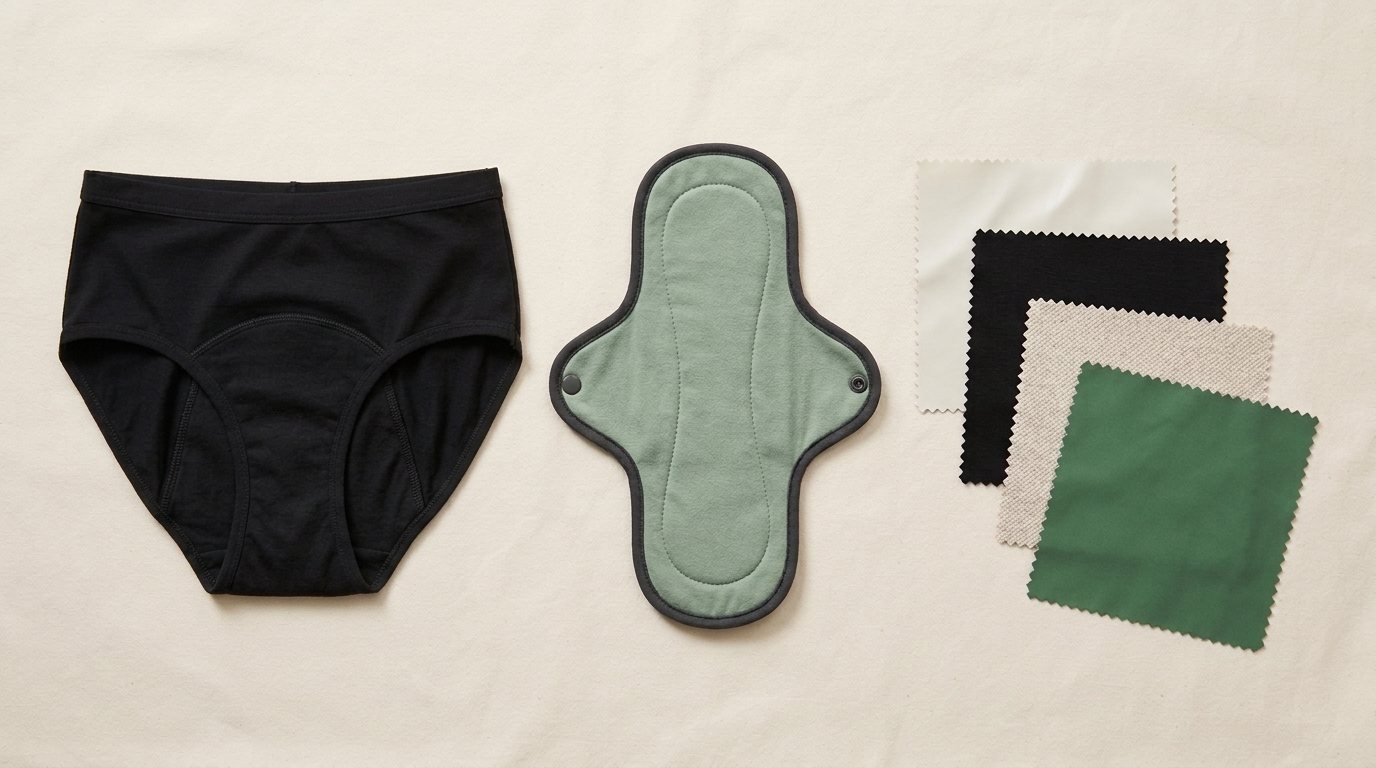
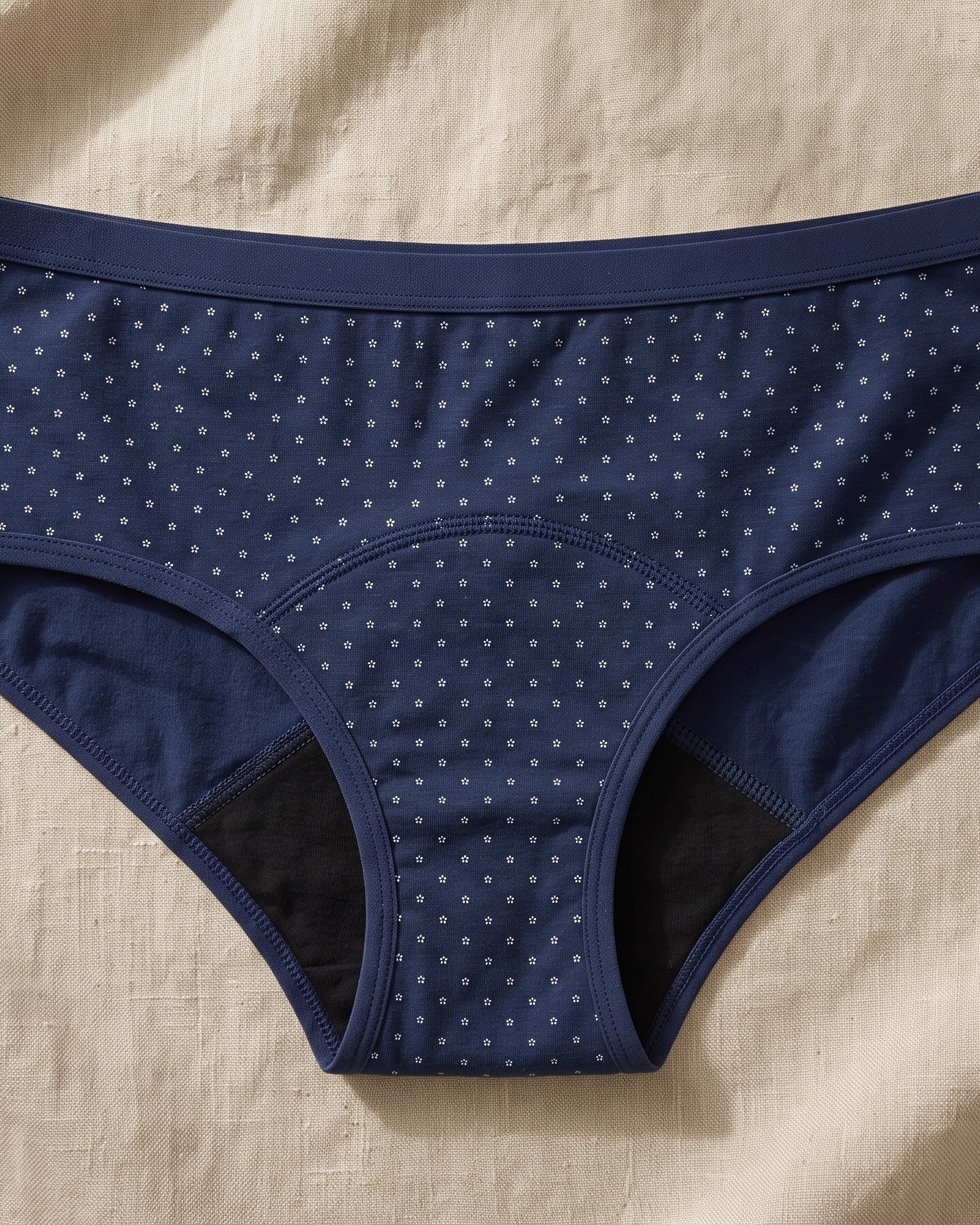
Period underwear is built from four layers: a top layer against the skin, an absorbent layer, a leak-resistant membrane and the main body fabric. At HC Organize Tekstil, a private label manufacturer of knitted garments in Honaz OSB, Denizli, we produce period underwear to each brand's own design: we prepare the pattern, and the layers are adjusted to what the brand needs. This construction can absorb up to 25 ml.
Below we explain how the layers work, which certificate covers them, which styles and fabrics we work with, how sampling runs and what to include in your enquiry when you look for a period underwear manufacturer.
What layers does period underwear have?
Our period underwear has four layers. Each one has its own job:
| Layer | Role |
|---|---|
| 1. Top layer | Sits against the skin |
| 2. Absorbent layer | Holds the absorbed fluid |
| 3. Leak-resistant layer (membrane) | Keeps fluid from passing through to the outside |
| 4. Main body fabric | Forms the outer body of the garment |
With this construction, the product can absorb up to 25 ml. The layers can be customised to the brand's needs, so the layer setup is agreed together with the style during product development and approved on the sample.
Which certificate covers the layers?
Women's period underwear is registered in our OEKO-TEX Standard 100 Class I certificate, and the certificate covers all four layers, membrane included. In a layered product this matters: the harmful substance test looks at each component, so the membrane is tested along with the fabrics. Class I is the class with the standard's tightest limit values, the same class in which baby products up to 36 months are tested. Our certifications page explains what each class covers.
Our company also holds ISO 9001:2015, GOTS, OCS, GRS and RCS Blended certificates, and our facility is audited under amfori BSCI and Sedex SMETA. A content certificate such as GOTS or OCS is needed only if the label will carry an organic or recycled content claim. In that case, state in writing in the order which standard and which label level you require. Certificate scope for menstrual products is confirmed for each product and order before the order is placed. Current certificates and the current audit report are sent on request.
Which styles can be produced?
Every order is made entirely for your brand. We work on the private label model: the design is yours, the pattern is prepared in our facility, and the product goes out with your brand's label and packaging.
Examples of the styles that can be produced:
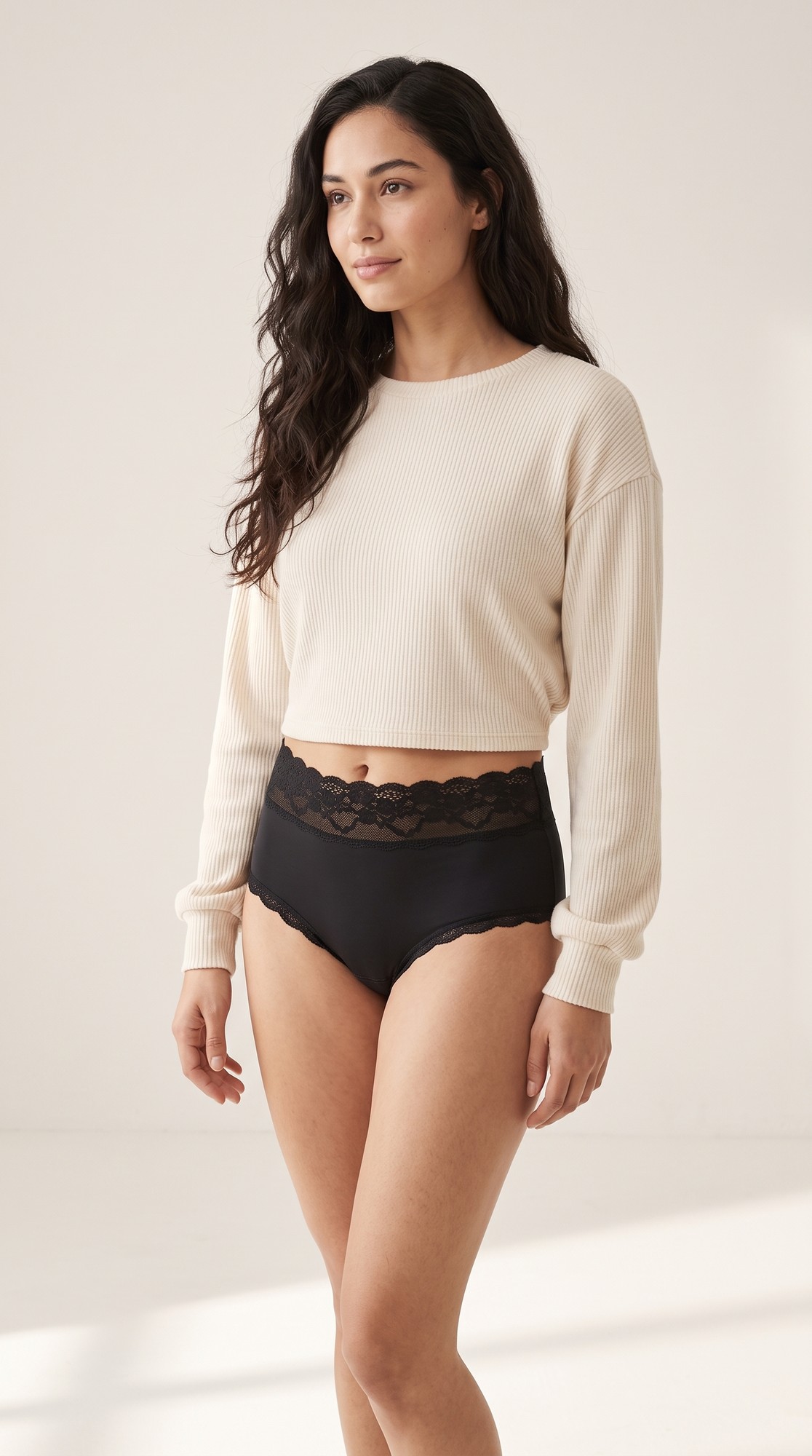
- High rise
- Bikini
- Brief
- Teen styles
Colour follows your collection. Your logo can be applied by transfer printing.
Which fabrics are used?
We work with fabrics that are mostly organic cotton. All the cotton we use is combed cotton.
When the fabric arrives, it is checked before cutting:
- Shrinkage: how stable the fabric's dimensions stay
- Colour: whether the colour matches the approved shade
- Weight: the fabric weight (GSM)
These checks matter more in a layered product. Shrinkage that differs between the body fabric and the inner layers can change how the garment fits after washing. That is why the fabric is checked when it arrives, before it is cut.
How does sampling work?
Sampling starts with the style, size breakdown, fabric and colour preferences. Patterns and samples are prepared in our facility. Proto, fit, size set and PP samples are prepared according to the customer's request, and production is planned after sample approval.
In period underwear, the sample is also where the layer setup is approved. The brand sees the four layers together in the finished garment, with the fit, colour and logo, before production starts. Sample costs and timing depend on the product and are discussed at the quote stage.
What should you include in your enquiry?
A clear enquiry shortens the back and forth before sampling. When you contact a period underwear manufacturer, include these points:
- Styles: high rise, bikini, brief, teen or your own design, with a tech pack if you have one.
- Size range: the sizes and the size breakdown you plan.
- Layers: any specific requests for the layer setup.
- Fabric: your fibre and fabric preference for the body fabric.
- Colour and logo: colours per style and where the logo goes.
- Certificates: whether you need OEKO-TEX Standard 100, and whether the label will carry an organic or recycled content claim.
- Label and packaging: care label, brand label and packaging you need.
Costs and timing depend on the product and the materials, and they are set at the quote stage.
Frequently asked questions
Can the layers be changed for our brand?
Yes. The layers can be customised to the brand's needs. The layer setup is agreed during product development and approved on the sample.
How much can your period underwear absorb?
Our four-layer construction can absorb up to 25 ml.
Is the membrane also covered by the OEKO-TEX certificate?
Yes. Our OEKO-TEX Standard 100 Class I certificate covers all four layers of our period underwear, membrane included. Certificate scope is confirmed for each product and order before the order is placed.
Which markets do you ship to?
All our production is exported. We ship to brands in Europe, the United Kingdom, the USA and Australia.
Request a quote
Share the styles, size range, layer needs and customisation you want in our quote form; our sales team will reply with a fabric and cost proposal. See our menstrual products page for the styles and options we work with.